

The Aquarium is Dirty
Comparing Instagram to an aquarium, this essay vigorously argues that the real problem with social media is not only the content drifting past, but the tank itself — the design, conditions, and behavioral systems that determine life inside it.
This is a developing story.
Terms of Exposure
A somewhat covert research endeavor begins to surface, tracing how Instagram reorganized social reality from the inside. What started as observation became a record of digital life at its most seductive, absurd, and invasive.
The Fool’s Odyssey
A second essay about a contemporary digital inquiry and complex social experiment. Part memoir, part media analysis, it exposes years of contradiction as a long-form study of how social platforms manufacture the false perceptions we have of one another online.
This is an expansion of Terms of Exposure.
Poking & Prodding
The story of using Instagram as a case study in order to understand how platforms disturbingly reward the body, superficial things, and sexual suggestion over original thought and critique. Here, we employ provocative digital activity to examine visibility versus suppression.

Same Same But Different
A tiny essay on why the brain can be understood in computational terms without reducing human thought to machinery. It considers how our experience is built through prediction, memory, and multiplied connections, but maintains that sentience can never be replaced.

Sight, Incorporated
Here, we consider what it means when sight becomes a resource to be mined.
Using the Ray-Ban Meta glasses as a focal point, it breaks down the normalization of machine mediated attention in public life.
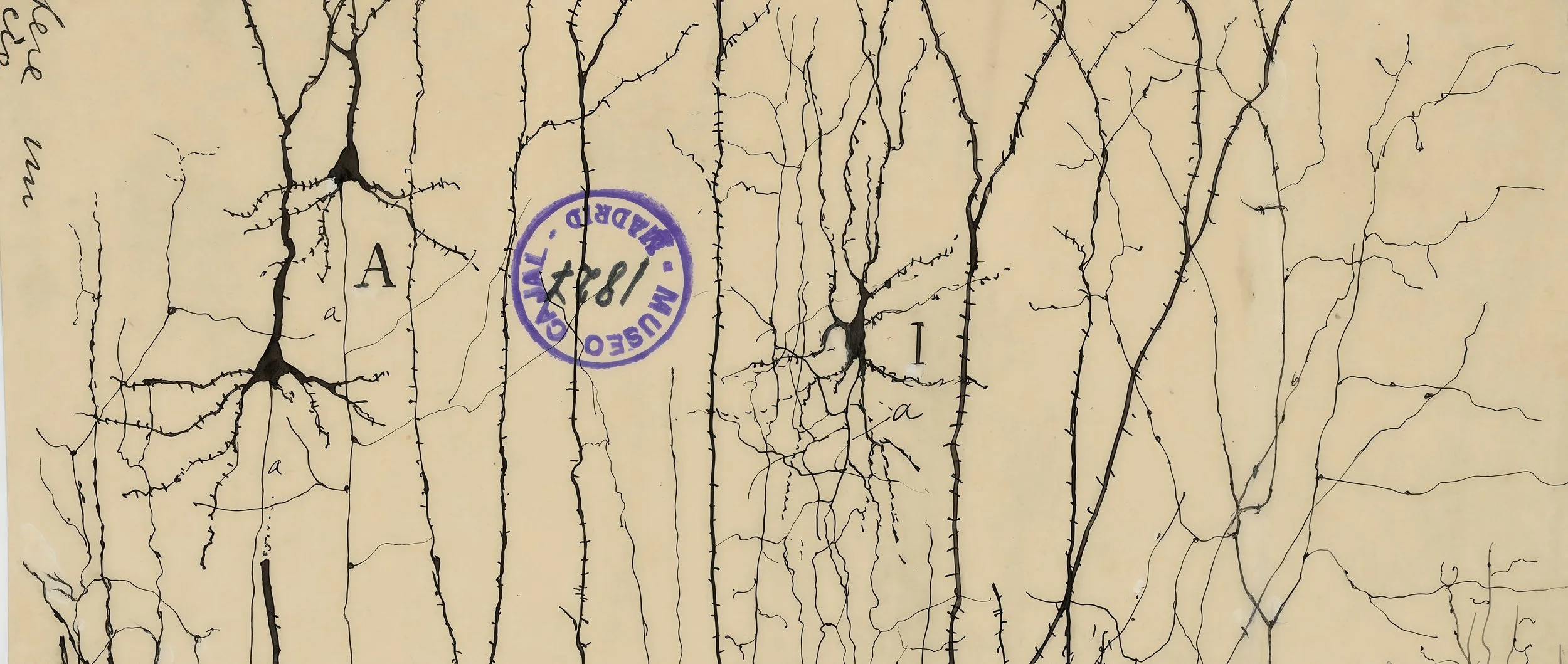
Cajal’s Networks
A quick read on Santiago Ramón y Cajal’s drawings as a visual guide for understanding connection across neuroscience, ecology, telecommunications, and digital design, and for thinking critically about that which dictates the conditions of modern life.
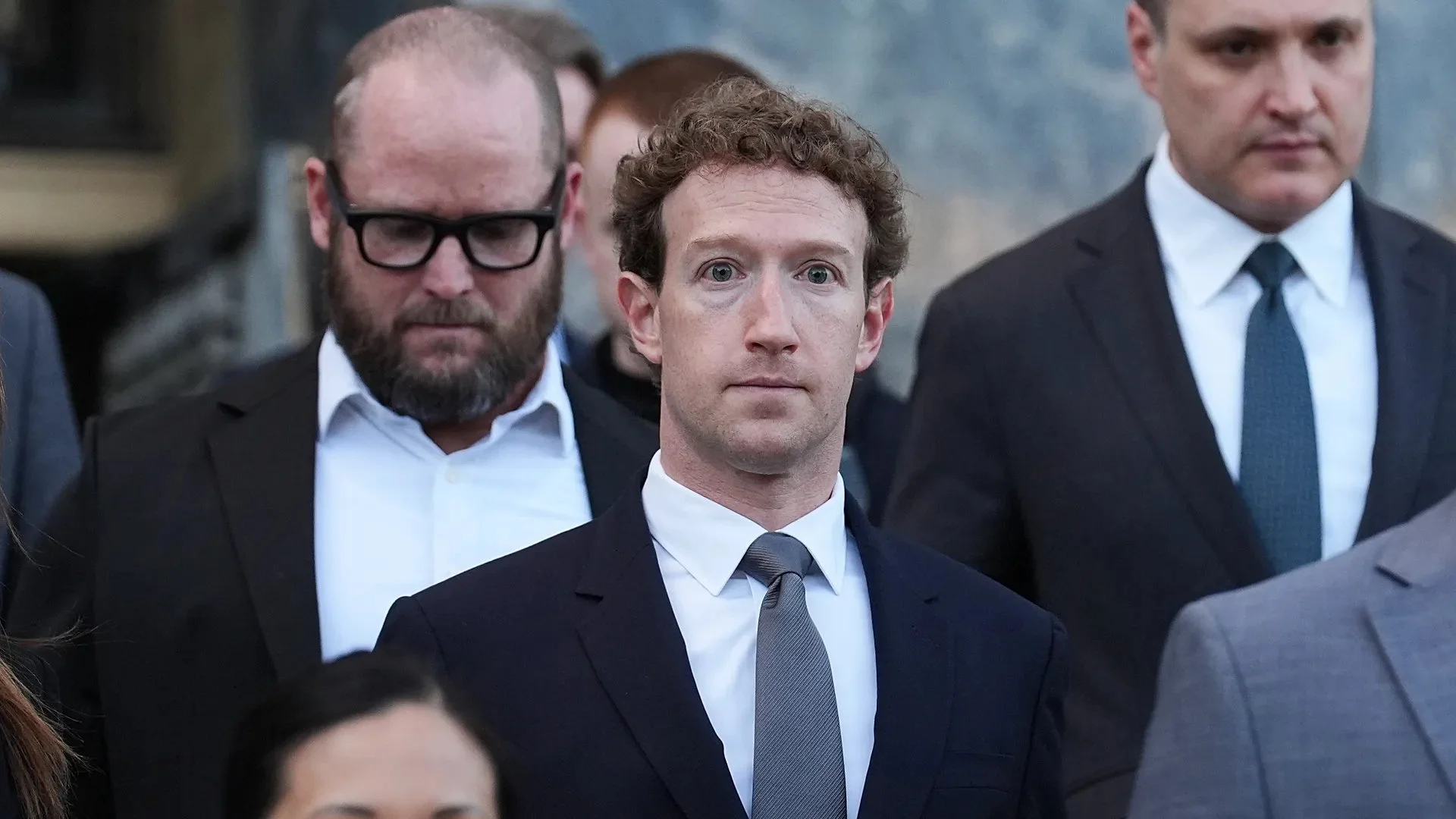
Zuck Found Guilty
An initial reaction to the Meta and Google verdict, as the trial revealed to the public that the root problem was never content alone but the UX of the platform itself, where Zuck’s greedy design choices impact emotional health, even when the user is off their phone.
This is a developing story.
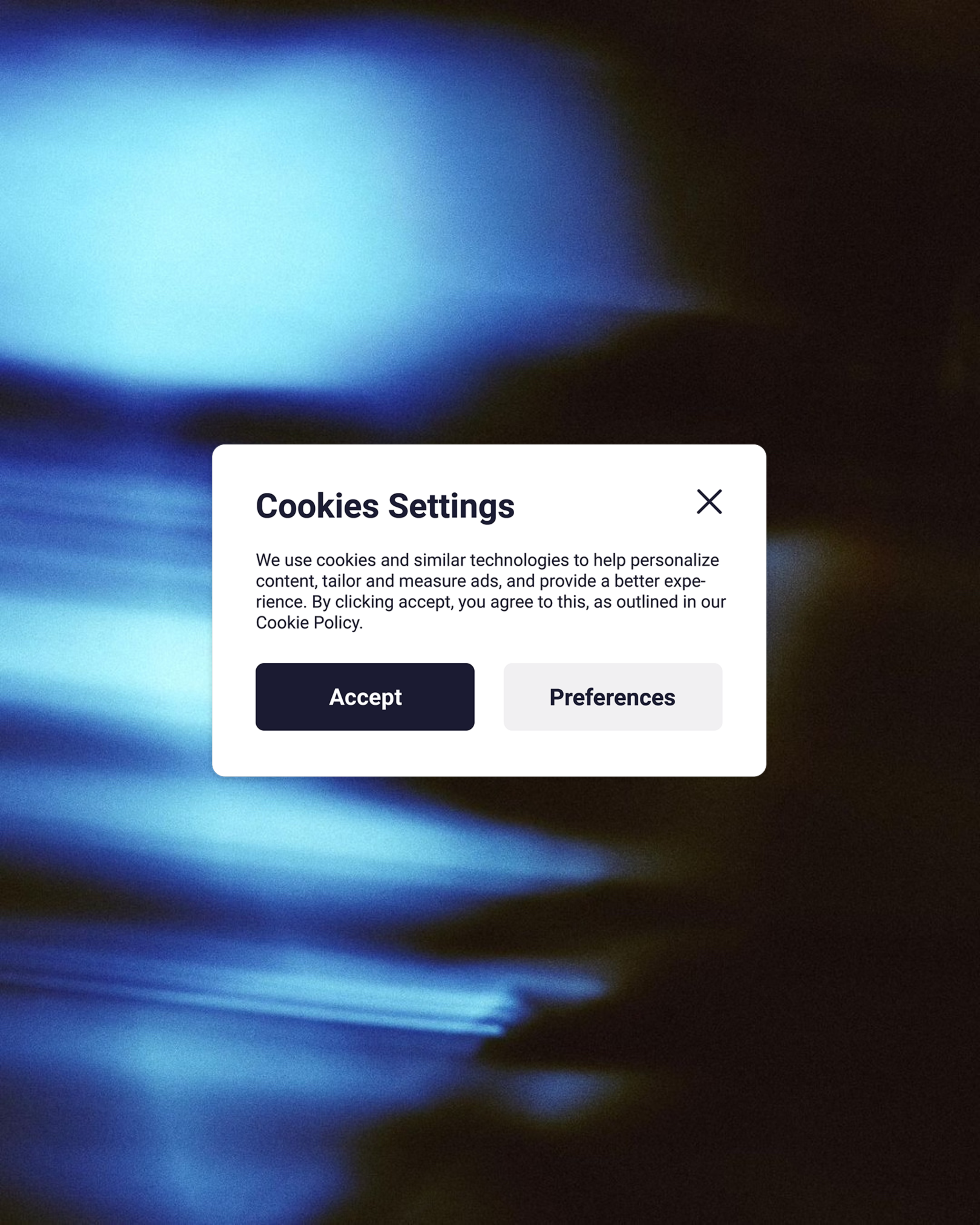
User, Interrupted
Tracing the gap between good design and extractive tactics like pop-ups and forced prompts. Framed through the idea that life itself is a user experience, this small essay argues for respect in how systems guide attention.
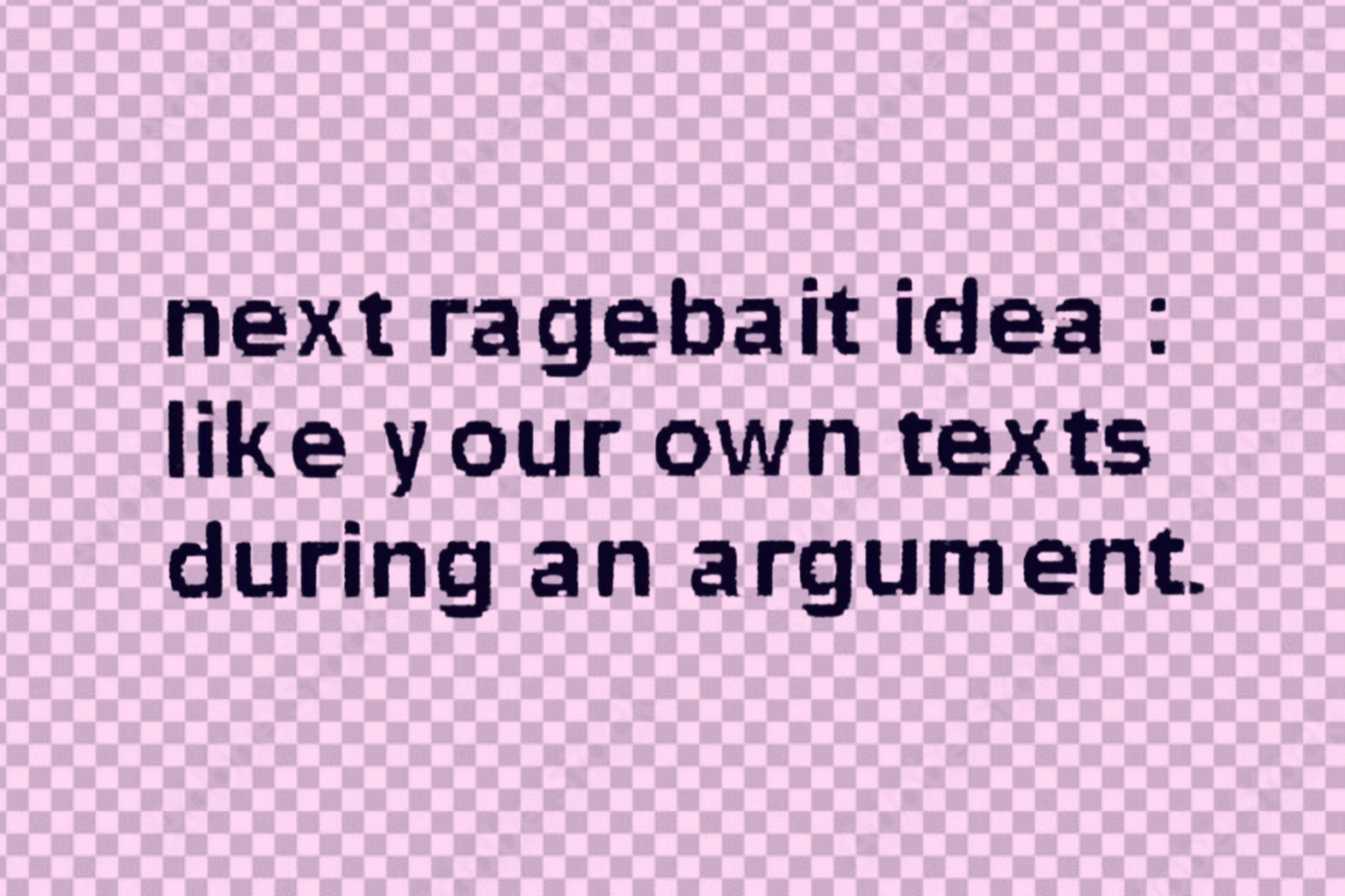
Conflict Resolution
An observation on how texting distorts disagreement by stripping away tone, timing, and physical presence, turning conversations into misread signals and delayed reactions. It suggests that conflict requires fuller forms of communication, where true meaning can land.
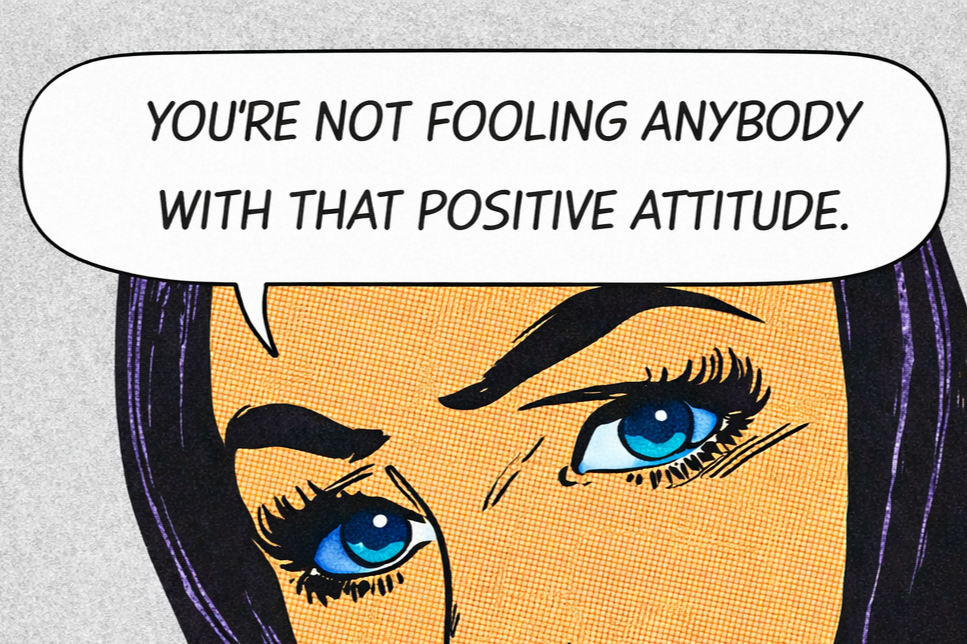
Ritual of False Positivity
A brief sociological reflection on the familiar exchange “How are you?” and the automatic response “good,” examining how the phrase functions less as a genuine report of well-being and more as a small social ritual that maintains stability in everyday interaction.
K.G.M. v. Meta et al
Here, we analyze the recent courtroom scrutiny of Instagram, arguing that the real issue is not only harmful content but the platform’s underlying design. The essay shifts the focus from blaming the “fish” to inspecting the “aquarium.”
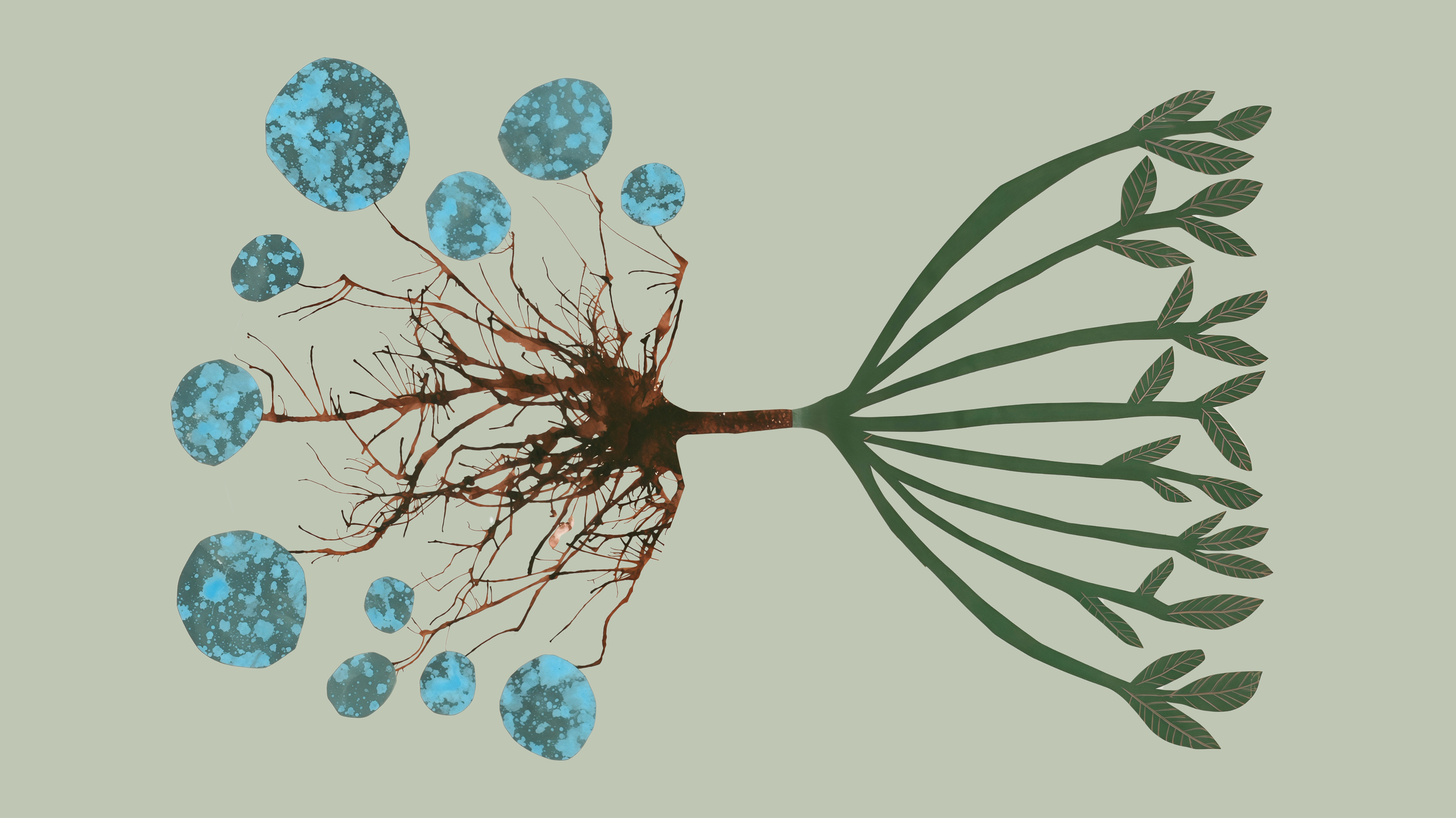
Transplant, Grow Anew
An essay on how changing countries revealed that environment is not backdrop but biology. The soil we inhabit, whether physical or digital, quietly shapes our nervous system, our pace, and the range of who we can become.
Your Story is Yours
A brief examination of the phrase “own your narrative,” tracing its origins in media strategy and explaining why defining your own story has become essential in the internet age, where digital platforms rapidly circulate gossip and misrepresent people.
Anatomy of a Narrator
This essay interprets personal blogs as hybrid forms where lived experience becomes both narrative and method, with the ending reframing the beginning to reveal my narrative web.
The real story begins now in vivid color, Kansas to Oz.
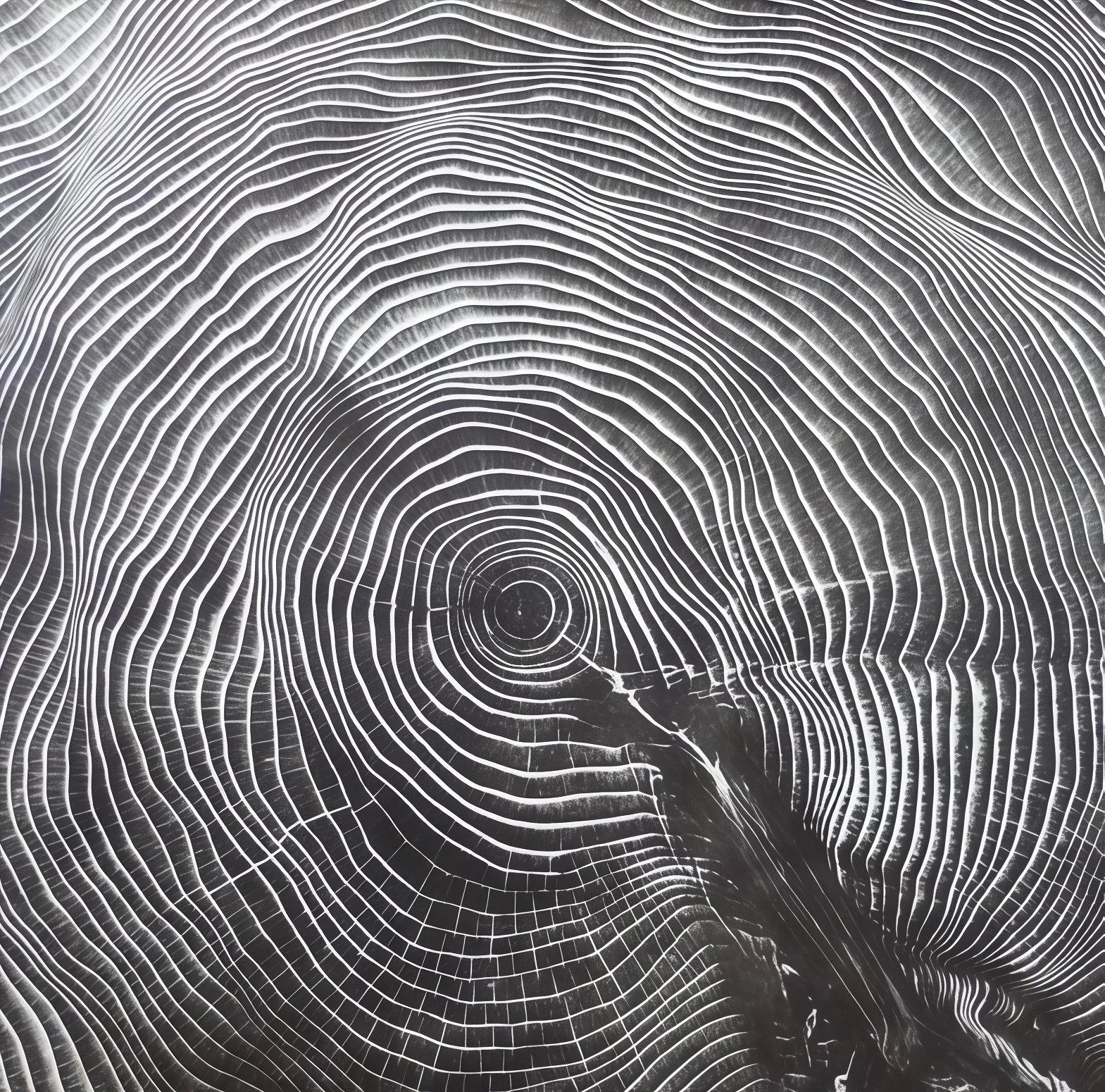
Stranger Than Fiction
A teaser outlining my adventure inspecting Instagram as lived research — learning to manipulate the algorithm, tracking nervous system responses, talking to others, and observing how metrics impact identity. That being said, the process was not so simple.
Further context shall reveal itself with time.
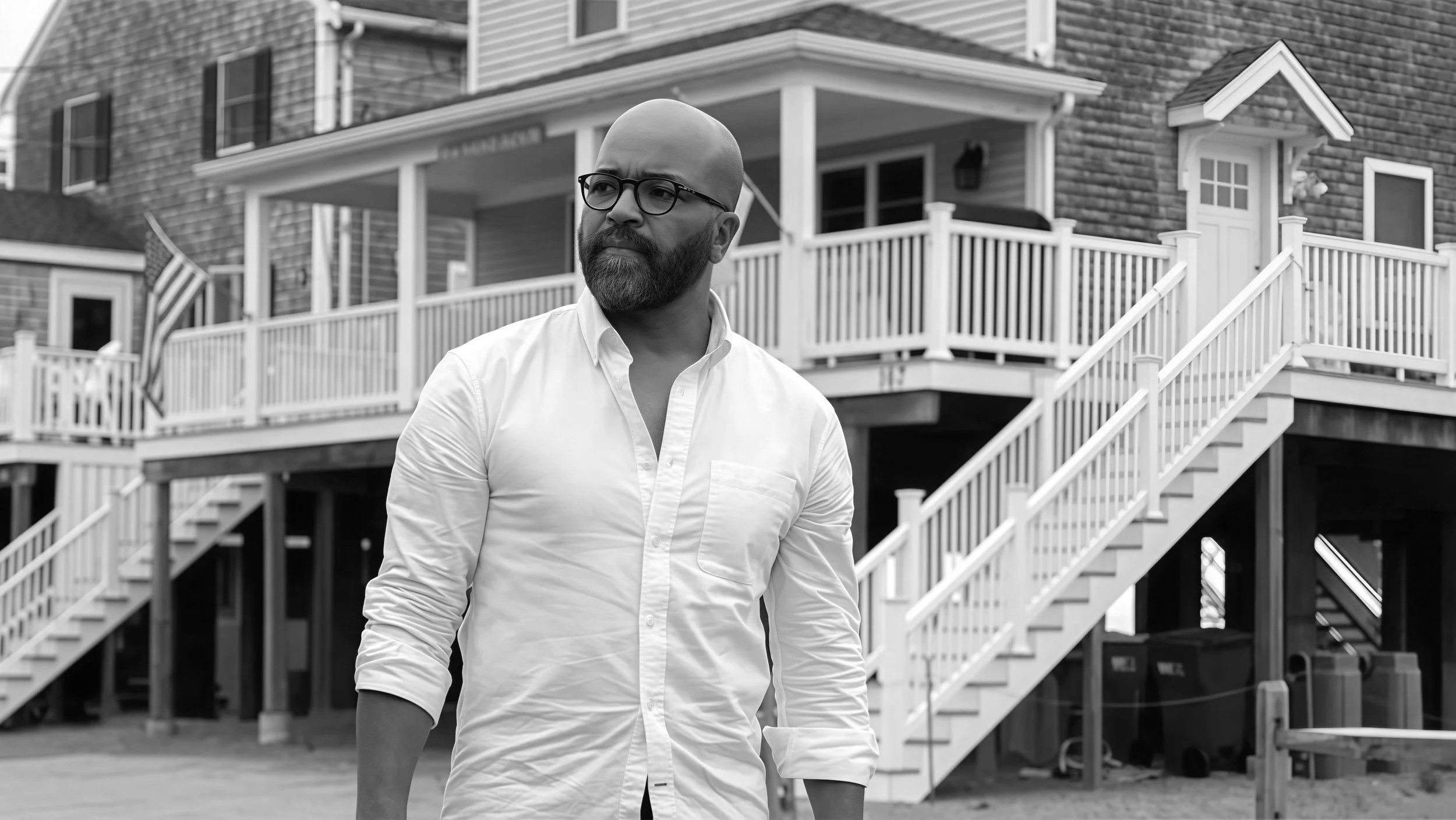
Literary Foolery
A short note on why the core premise of American Fiction is one of the strongest concepts in recent cinema. Rather than satirizing the publishing industry, the film stages a narrative experiment that exposes how cultural markets authenticate simplified stereotypes while claiming to reward authenticity.
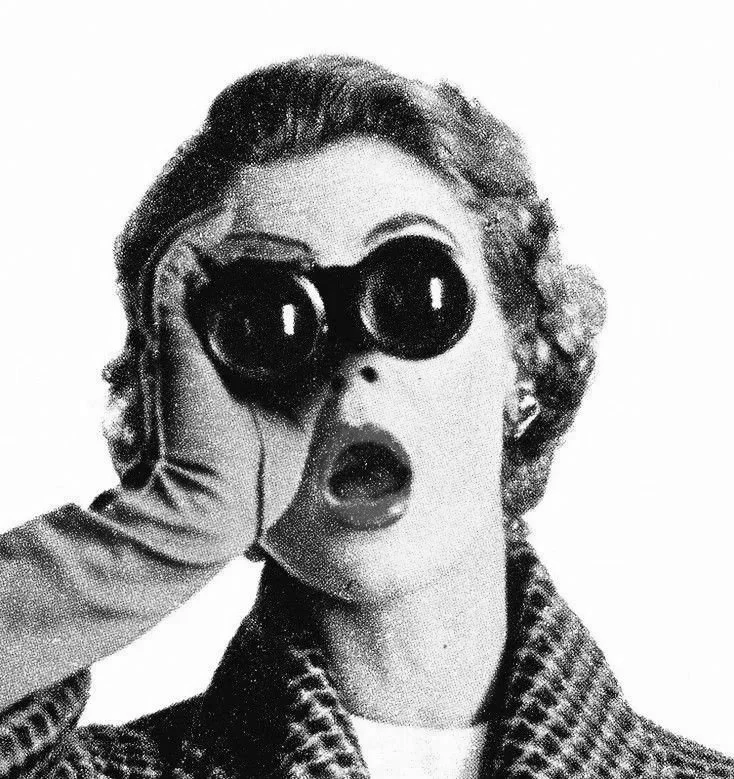
The Threat of Normal
A hostel receptionist who witnesses the fallout of “normal life” grows suspicious of a man who claims to be happy all the time. This essay explores why adaptation to an overstimulated system can determine compatibility, and how differences in nervous system calibration can turn contentment into a perceived threat.
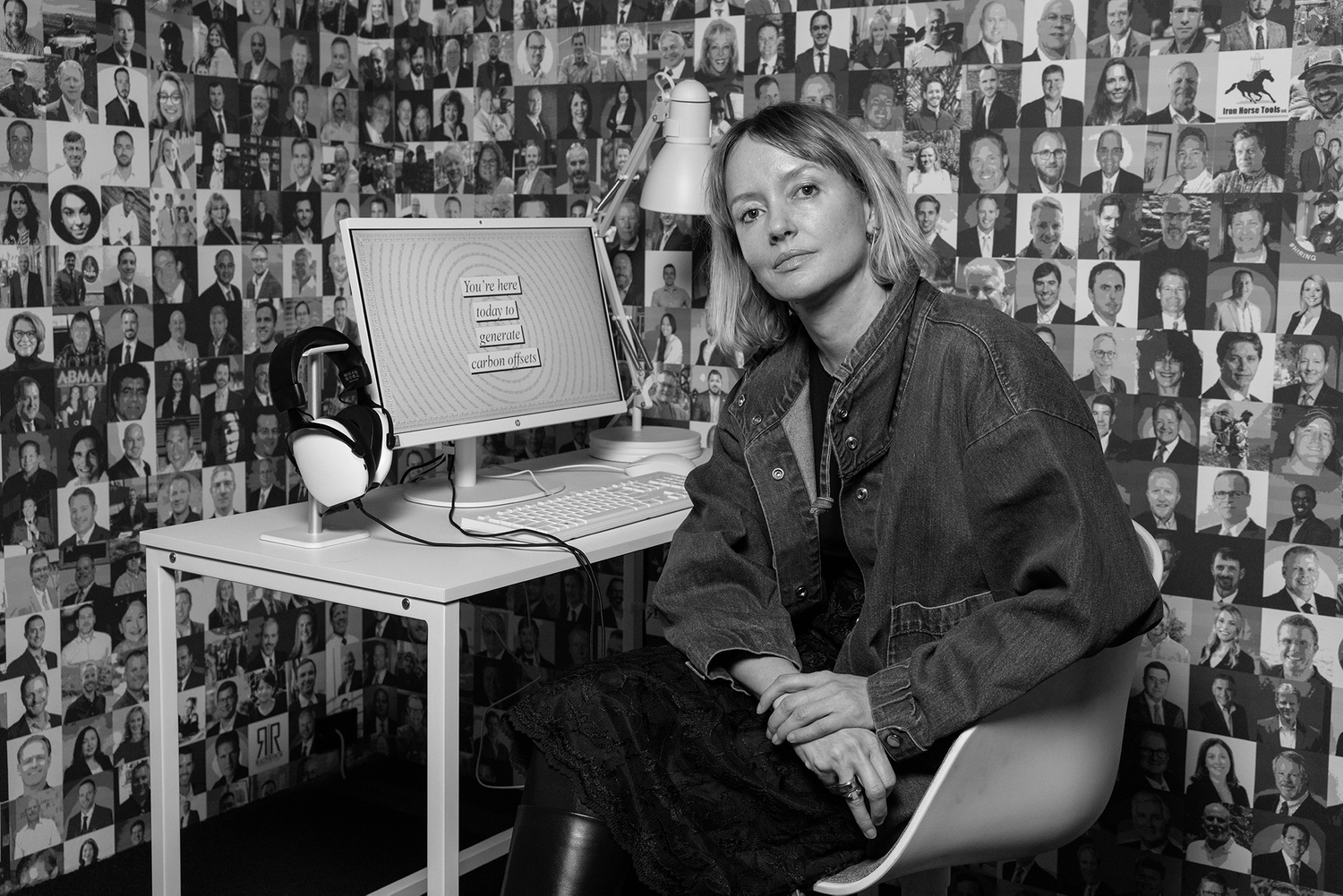
Art as Engineering
Tega Brain on designing digital and environmental systems that resist optimization as default. From solar-powered servers to mutualistic wetlands and carbon offsets, she explores how latency, inefficiency, and absurdity act as ethical constraints, revealing the hidden values embedded in computation and climate.
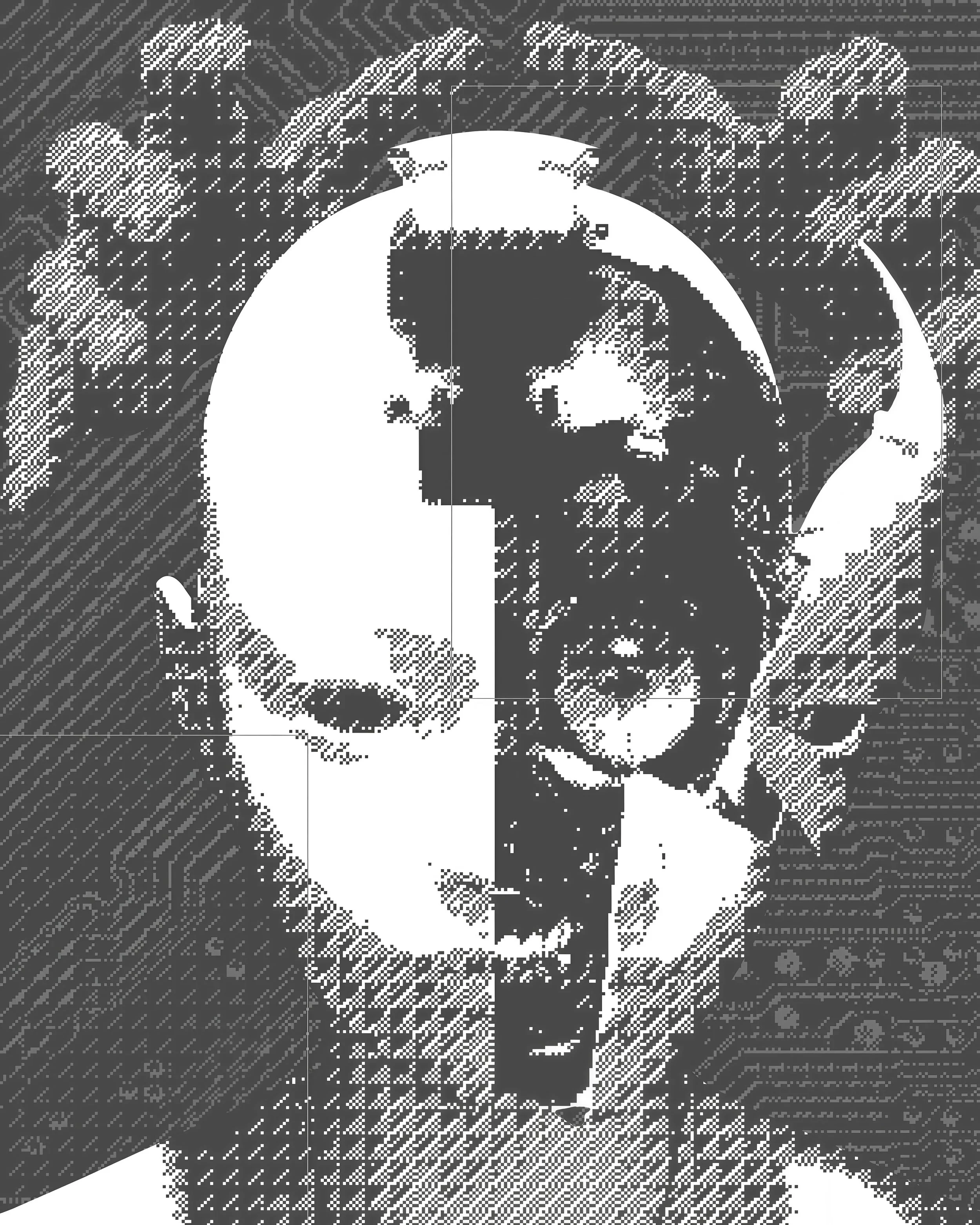
Digital Etiquette
A reflection on why scrolling during conversation is more than distraction. This essay reframes digital feeds as cognitive junk food and argues that real dialogue is a metabolically demanding act of shared presence.