
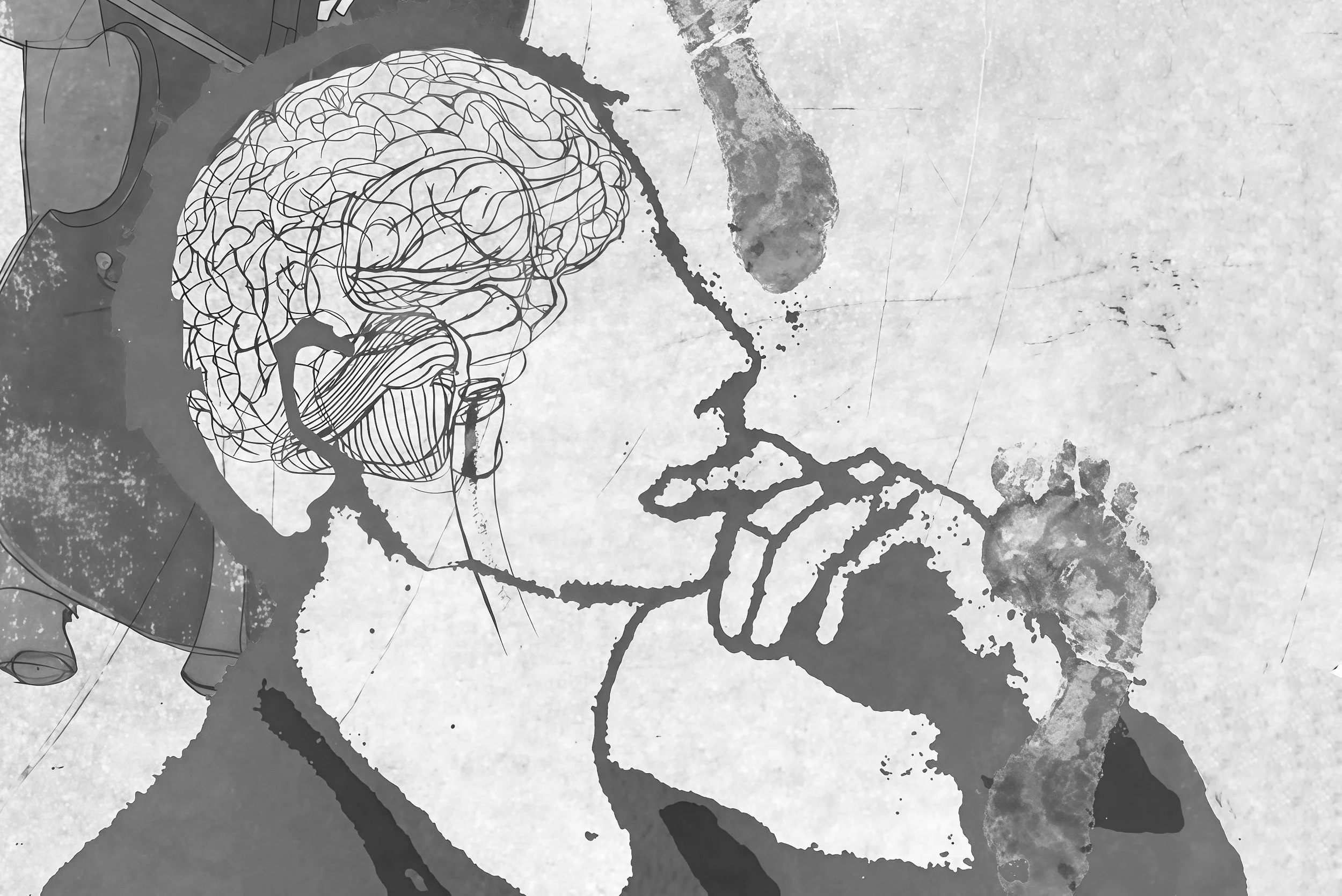
The Science of Meaning
This essay argues that language shapes perception, emotion, and culture, not just communication. A universal language would most likely drain the world of imagination.
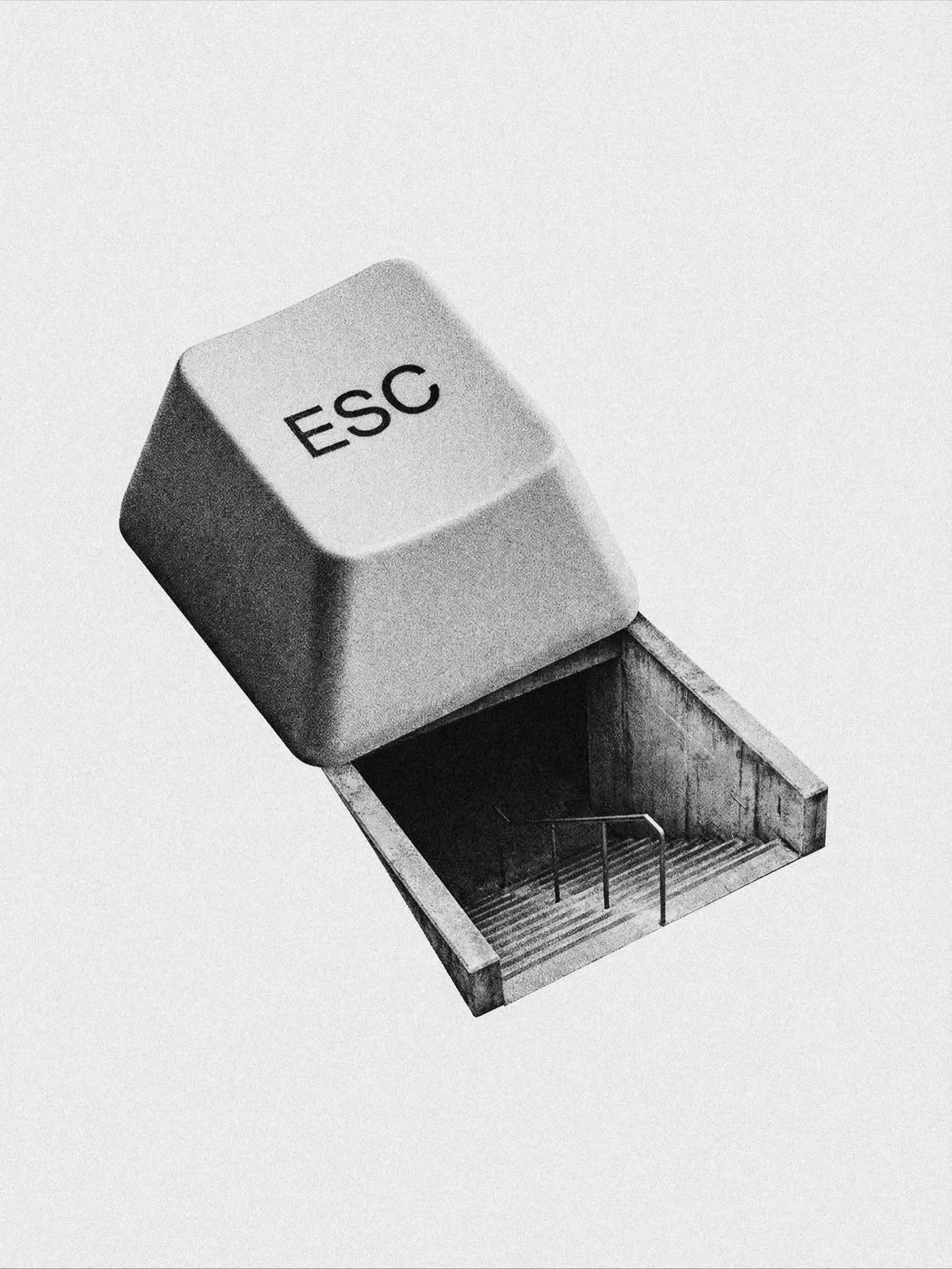
Societal Rupture
An analysis of how the attention economy prioritizes emotional reactivity over UX design ethics. As a result, what feels like a sudden global rupture is reframed as a delayed recognition of accumulating digital conditions, and now we must remove the blindfold and think critically about how we’ve been deceived.

A Look Inside
AI practitioner Bill Bain reflects on his early work in language and memory systems and the long arc of artificial intelligence. His insights connect decades-old debates to today’s crisis of trust, isolation, and digital evolution.

Collective Atrophy
Brain rot reflects a biological mismatch between human cognition and accelerated digital environments optimized for constant engagement. Media systems reorganize attention, memory, and meaning over time, producing gradual forms of cognitive thinning across individuals and populations.

Sounds Beige
AI’s blandness reflects a culture that traded human expression for corporate safety. Trained on a landfill of sterile jargon, these systems reproduce the beige personality we normalized. The flattened machine voice is the sound of a world that chose familiarity over nuance.

Cosmic Design
Nadieh Bremer reflects on how astronomy shaped her way of working with data, why she sketches from patterns rather than chart types, and how early design decisions quietly shape meaning. She also discusses emotional resonance, ethical responsibility, and how aesthetic intuition guides her data art from concept to completion.

No Reply
Silence now feels emotionally charged not because relationships have changed, but because digital communication strips away the cues that once made pauses feel safe and expected. In that absence, uncertainty fills the space, and quiet is often mistaken for conflict rather than a natural part of human rhythm.
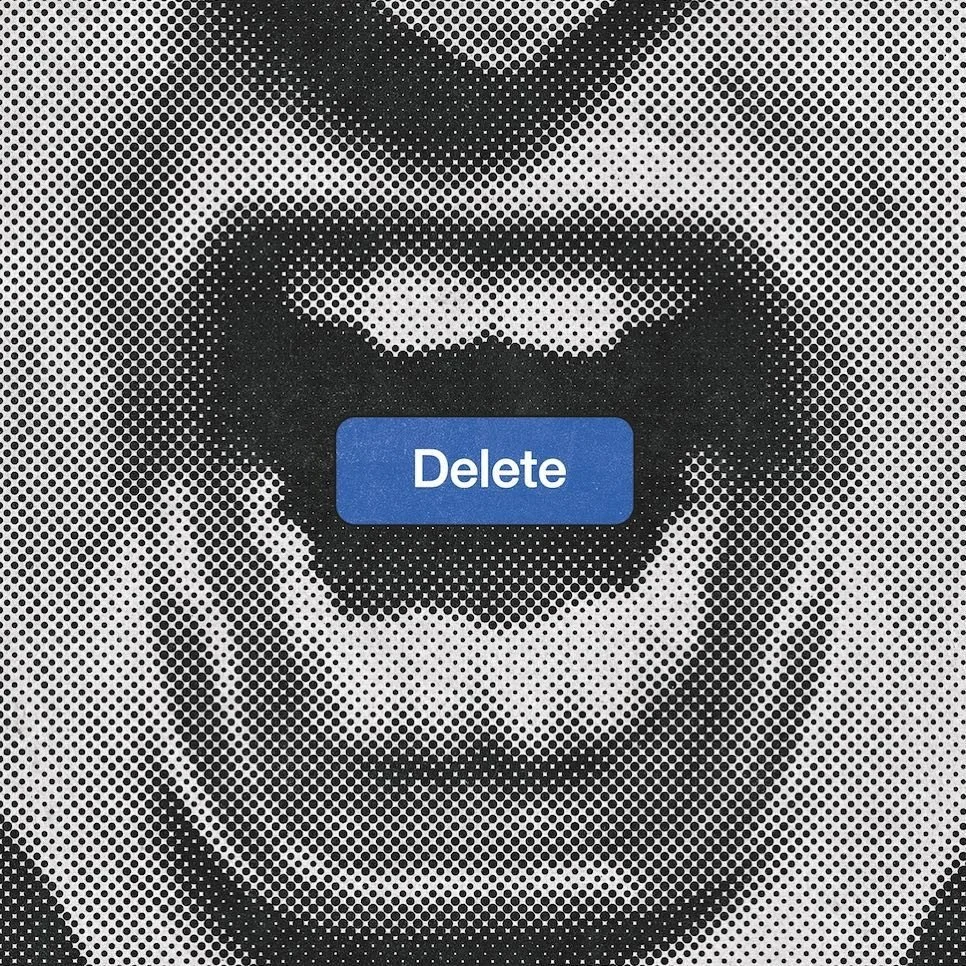
Digital Spiders
Social platforms have transformed feedback into a system of conditioning, where metrics replace meaning and visibility becomes the measure of self-worth. The result is a slow erosion of inner life, as identity shifts from something felt and trusted to something continuously tested, scored, and adjusted for an invisible audience.
Life is So Hard
The strain of modern life is a biological response to environments that outpace human adaptation. This essay examines how digital systems and AI alter the context in which thought, judgment, and emotional regulation take place, and why preserving cognitive balance has become a critical cultural task.